https://en.wikipedia.org/wiki/Nordic_Israelism
ダン族デンマーク起源説 ダン族デンマーク渡来説
Nordic Israelism(北欧イスラエル主義)、北欧イスラエル同祖論
19世紀のイスラエル系イギリス人ガウラー大佐の説。
ダン族が移住していると仮定すると、地名の由来が説明できる。
デンマーク人によるダン族渡来批判
「旧約聖書のダン族が北方へ移住し、デンマーク人やデンマークの国名の起源になった」という説は、現在の歴史学・言語学では支持されていません。
🏛️ デンマーク史からの反証
デンマークの研究では、デンマーク人は古ノルド語で danir と呼ばれた北ゲルマン系の集団として扱われます。8~9世紀のフランク王国の記録や古英語資料にも、デンマーク人を指す名称として登場します。(lex.dk)
また、国名 Danmark は一般に、
- Dan=デーン人・デンマーク人
- mark=境界地・辺境地・森林地帯
という北欧語の構成として説明されます。ユダヤ教・聖書のダン族から派生したという証拠は確認されていません。(cambridge.org)
🔤 名前が似ているだけでは証拠にならない
「Dan」「Dane」「Denmark」が似ていることは、ダン族渡来説の根拠としてよく使われます。しかし、歴史言語学では、単語の音が似ているだけで同一の民族・祖先と判断することはできません。
必要なのは、たとえば次のような連続した証拠です。
- 古代の移住記録
- 同一性を示す碑文
- 言語の系統的な対応
- 考古学的な物質文化
- 遺伝的な集団移動の証拠
こうした証拠が、古代イスラエルのダン族とデンマーク人との間には確認されていません。デンマークの形成は、鉄器時代からヴァイキング時代にかけての北欧社会の発展として研究されています。(portal.findresearcher.sdu.dk)
📜 説が生まれた背景
ダン族とデンマーク人を結びつける説は、近代以降の北欧イスラエル同祖論や、イギリス・イスラエル主義の中で広まりました。そこでは、ヨーロッパの諸民族を旧約聖書の「失われた十支族」と結びつける議論が展開されました。(jmedia.wiki)
ただし、これは民族起源を聖書の物語と地名の類似から説明する思想史上の主張であり、現代の実証的なデンマーク史とは区別する必要があります。
Colonel J Gawler
Dan: The Pioneer of Israel (English Edition)
4.0 5つ星のうち4.0(7)Dan, the pioneer of Israel (1880)
参考:
Dan, The Pioneer of Israel
By the late Colonel J.C. Gawler, Keeper of the Crown Jewels (1880)
www.tnbc.org.uk/Dan.pdf
日ユ同祖論と組み合わせればスカーレットと聖は遠い親戚になることになる。
https://x.com/yojisekimoto/status/2116923298735182007?s=61
《さて、このフェニキアの光でダンの足跡を追跡しましょう。そして、フェニキア人がいたほぼすべての場所、あるいはその近くに、ある場所・川・州の名前に、ダンの名が刻み出されていることが判明します。これは、彼らがパレスチナにおける最初の独立征服で行ったのと同様にです。それでは、紅海にドン=ゴラ、ギリシャのカリ=ドン、アティカ (ストラボ)川、エリ=ダン、メイク゠ドン、ドナウ川、ダナストリス(現在のドニエステルス)、ダナプリス (現在はドニエプル)とドンがあります。》
《ベネツィアからダン・アストリス (ドニエステル)に戻り、その源流までたどり、そこでヴィスワ川を上陸し、その河口はコダン湾(現在のバルト海)の岸にあるダン・ジグです。その向こう側はフィンランド湾の向かい側にあるダンネモラへ、バルト海を下って私たちの愛する王女の故郷であるダンネメルクへ、北海を越えてハンブル川へ向かい、そこでドン川を見つけ、南へ向かいドン・カスターへ向かいます。それから、現在はデヴォンシャーであるダノニアという全土を見つけ、そこからアイルランド北部(かつてはスコシアと呼ばれた)という争いの余地のないダナン族の本拠地へと渡ることができます。そこでは、場所の名前だけでなく、ドンという接頭辞を持つ人気の姓、すなわちダンダルク、ドネガル、ドナガディーなどが非常に多く見られます。
この最後の場所は、たとえ最も古いとは言えなくても、トゥアス・デ・ダンナンの最も古いとされる集落の一つです。その音は驚くほどヘブライ語で、音写すると TInyt Danhaghedee、すなわち「Dan my witness」となります。古代スコシアから現代のスコシア、あるいはカレドン・イアへと、私たちはその名付けをギリシャに持っていました。ここでは、他にも多数ある中で、ダンフリーズ、ダンバートン(これらでは文字nが唇音の前でmに変わります)、ダンディー、アバディーン(ドン川の河口)およびドン川があります。》
士師記
5:17
17 ギルアデはヨルダン川のかなたに住んでいた。 なぜダンは舟にとどまったのか。 アシェルは海辺にすわり、 その波止場のそばに住んでいた。
with notices of a certain race called Danai, or Dannans, or Dannonii, who are either called Phoenicians, or mentioned in company with Phoenicians. Almost wherever Phoenicians are said to have traded, there we either hear of these Danai, or we find a river or district stamped with the name of Dan according to the early custom recorded of that Tribe in the Scriptures.
In a lecture delivered to Jewish working men and their families at the Jews' Infant School on May 23rd, 1875, the Rev. A. L. Green stated as follows (Jewish Chronicle, May 28th, 1875):
"Our forefathers in their happiest times, in the golden age of the nation's glory, were indeed the public carriers of their day, travellers for commercial enterprise to all the then known countries near and far. The ships of Solomon rivalled the Phoenician navy. The Ports of Elath and Sziongeber were filled with the ships of Tarshish, which sailed down the AElanitic Gulf of the Red Sea on to the Indian Ocean, to Ophir, to Sheba, to Arabia Felix, to India and Ceylon, and through the Pillars of Hercules; brought home copper from Cyprus and tin from Spain, possibly from Cornwall. The Talmud is filled with special regulations bearing on the exceptional wants springing from these various avocations. Synagogues were from earliest times attached to special centres of industry and frequented by special traders, and a workman's ritual was specially arranged to suit the artisan, the landsman, and the seafarer. The pursuits of commerce, in its various ramifications, were covered by an admirable code of international law. The laws of agency and insurance and hypothecation were codified. Promissory notes and bills of exchange were formulated even in Mishnaic times."
We may here pause to ask, What has become of this spirit of enterprise and love of adventure, this active, roving, restless spirit? It surely does not exist in the Jews of the present day. What has become of the commercial sailor race which this learned Jewish lecturer describes when speaking of Israel "in the golden age of the nation's glory"? It assuredly does not describe the
-6-
ダナイ、ダンナン、またはダノニイと呼ばれる特定の人種に関する表示があり、これらはフェニキア人と呼ばれるか、フェニキア人と共に言及されています。フェニキア人が交易したとされるほぼすべての場所で、そこではこれらのダナイの名を聞くか、あるいは聖書に記録されたその部族の初期の慣習に従ってダンの名が刻まれた川や地区を見つけることができます。
1875年5月23日にユダヤ人幼児学校でユダヤ系労働者とその家族に行われた講演において、Rev.A.L.グリーンは次のように述べました(Jewish Chronicle、 1875年5月28日):
我々の先祖は、最も幸福な時代、すなわち国家の栄光の黄金時代において、まさにその時代の公的輸送者であり、商業事業のために知られていた近くも遠くもすべての国々を旅する者でした。ソロモンの艦船はフェニキア海軍に匹敵した。エラトとスイオンゲベルの港はタルシッシュの船で満ちており、これらの船は紅海のエラニティック湾を下り、インド洋へ、オフィル、シェバ、アラビア・フェリックス、インドとセイロンへ、そしてヘラクレスの柱を経由しました;キプロスから銅を、スペインから錫を、そしておそらくコーンウォールから持ち帰ってきました。タルムードは、これらの様々な趣味から生まれる例外的な欲求に関する特別な規定で満たされています。シナゴーグは、最も古い時代から特別な産業拠点に付属し、特別な商人が頻繁に利用しており、職人、地主、航海者に合わせて特別に儀式が設けられていました。商取引の追求は、その様々な景響において、称賛に値する国際法の法典に規定されていました。代理法、保険法、および保険引受法は法典化されました。約束手形と為替手形は、ミシュナイク時代でさえ作成されました。
私たちはここで立ち止まり、この事業精神と冒険への愛、そしてこの活発で放放し、落ち着きのない精神は、どうなったのかと問うかもしれません。それは確かに現在のユダヤ人には存在しません。この学識あるユダヤ人講師が、イスラエルについて「国家の栄光の黄金時代」について語る際に描写した商業的な船員人種は、どうなっているのでしょうか?それは確かにそれを記述していません
Dan, The Pioneer of Israel
By the late Colonel J.C. Gawler, Keeper of the Crown Jewels
The Tribe of Dan by its enterprise and vigour has made itself one of the most conspicuous branches of Jacob's family. Its ancestor was the son of one of the concubines, and was the firstborn of Rachel's household. "God hath judged me," said Rachel, and she called his name "Dan," which means to judge, to rule. This word, while perhaps on that occasion first started as a surname, has been perpetuated as a title in the Gothic, Anglo-Saxon, and English. In these languages Din, Dun, Don, and Dan, signify ruler, master. The expression is repeatedly used by Shakespeare, Spenser, Chaucer, Prior, and others. The Spanish, too, from close contact for ages with the Hebrew, have engrafted it in their title of Don. It is in use in our universities to designate a professor or university official. '
How often do we see in the Bible that the name of an individual foreshadows the character and career. Dan's name given by Rachel implies authority and vigour, and Jacob, when bestowing his blessings (Gen. 49:16), repeats and confirms it. "Dan shall judge his people," said the venerable patriarch, and proceeded to name other characteristics implying great wisdom and astuteness. The serpent is the Scripture symbol of wisdom. (Gen. 3:1; Matt. 10:16) In dealing with foes his plans would be laid with wisdom and secrecy, and his action would be unlooked for and rapid.
"I have waited for Thy salvation, O Lord," is the ejaculation of Jacob as he concluded his blessing to Dan. What was in the patriarch's mind? Did a vision of Dan's future career pass in review before him? Did he see the pioneers of Israel by land and sea carrying on their enterprise and explorations, trading among the Grecian Islands into the Black Sea, up the various rivers, crossing Asia Minor, exploring Europe, scouring the Mediterranean, on into the broad Atlantic, meeting the overland parties at the Baltic, settling in Denmark, and making a secret secure little hiding-place and sanctuary for centuries in Ireland, and other settlements in England and Scotland?
And did the patriarch still see this Tribe in the van leading back to the Land of Promise to take up their first place, the most Northerly, in the day when the Lord shall beat off "from the channel of the river of Egypt"? in that day when the Lord shall
"bind up the breach of His people, and heal the stroke of their wound."
www.tnbc.org.uk/Dan.pdf
stamped with the name of Dan according to the early custom recorded of that Tribe in the Scriptures.
In a lecture delivered to Jewish working men and their families at the Jews' Infant School on May 23rd, 1875, the Rev. A. L. Green stated as follows (Jewish Chronicle, May 28th, 1875):
"Our forefathers in their happiest times, in the golden age of the nation's glory, were indeed the public carriers of their day, travellers for commercial enterprise to all the then known countries near and far. The ships of Solomon rivalled the Phoenician navy. The ports of Elath and Sziongeber were filled with the ships of Tarshish, which sailed down the Elanitic Gulf of the Red Sea to the Indian Ocean, to Ophir, to Sheba, to Arabia Felix, to India and Ceylon, and through the Pillars of Hercules; brought home copper from Cyprus and tin from Spain, possibly from Cornwall. The Talmud is filled with special regulations bearing on the exceptional wants springing from these various avocations. Synagogues were from earliest times attached to special centres of industry and frequented by special traders, and a workman's ritual was specially arranged to suit the artisan, the landsman, and the seafarer. The pursuits of commerce, in its various ramifications, were covered by an admirable code of international law. The laws of agency and insurance and hypothecation were codified. Promissory notes and bills of exchange were formulated even in Mishnaic times."
We may here pause to ask, What has become of this spirit of enterprise and love of adventure, this active, roving, restless spirit? It surely does not exist in the Jews of the present day. What has become of the commercial sailor race which this learned Jewish lecturer describes when speaking of Israel "in the golden age of the nation's glory"? It assuredly does not describe the Jews of the present day, but all must admit that it is an admirable description of ourselves!
In the Manual of Ancient History (p. 214) I read as follows:
"From the middle of the sixteenth to the middle of the fourteenth century
B.C., several colonies from Egypt, Phoenicia, and Phrygia settled in
different parts of Greece, bringing with them the improvements in the arts and sciences that had been made in their respective countries. A Phoenician colony under Cadmus settled in Boeotia; he was the first who introduced the use of letters into Greece ... Phoenicians were at this period the undisputed masters of the Aegean." . 86 - "Cyprus was not only a colony, but a province of the Tyrians..... From Cyprus they extended their settlements to Crete, thence they proceeded to Africa, Sicily, and Sardinia... The Spanish peninsula - called in Scripture Tarshish - was the country with which the Tyrians had the most lucrative trade; and the colonies they established soon became independent States. Colonies were also planted beyond the Straits of Gibraltar. Trade was extended to the British Islands and to the coasts of the North Sea. It is known that the Phoenicians preceded the Greeks in forming commercial establishments along the coasts of Asia Minor and the shores of the Black Sea. ... In the Eastern seas they had establishments on the Persian and Arabian Gulfs."
Now let us track Dan's footprints by this Phoenician light, and we shall find that almost wherever the Phoenicians have been, there, or in close proximity, on the name of some place, river, or province, the name of Dan is imprinted, as they did in their earliest independent conquest in Palestine. We have, then, on the Red Sea, Don-gola,; 1'' in Greece, Caly-don, a river of Attica (Strabo), the Eri-dan; Make-don; the Danube, Danastris (now Dniester), Danapris (now Dnieper) og Don.
Before speaking of the people of Greece, and of the Colchians in the eastern corner of the Black Sea, we will take the probable route of an exploring overland party up the Danube to its source in the mountains of Switzerland, and there pick up another river, the Rho-dan (now the Rhone), down to the sea to the ancient so-called Phoenician town of Massilia, now Marseilles, and thence across to Sar-din-la. Back again into Switzerland we pick up the Eri-dan (now the Po), flowing eastward through Venetia to the Adriatic. While in Venetia I would call to your attention to the following:
We may infer from Ezek. 28:12-16, that Tyre had as one of her symbols or cognizances some cherubic device. The King of Tyre, in apparently a taunting message, is called "the anointed cherub," and "the covering cherub," and we find a winged lion the cognizance of Venice. Again, Tyre, the capital of Phoenicia, was the proud merchant city of ancient times, and Venice, the capital of Venetia, held the same grand position in the middle ages. Is there not in addition some clear connection between Venetia and Phoenicia?
From Venetia we will return to the Dan-astris (Dniester), follow it to its source, where we pick up the Vistula, at the mouth of which is Dan-zig on the shores of the Co-dan Gulf (now the Baltic), across to Dannemora, opposite the Gulf of Finland, down the Baltic to Dannemerk, the country of our beloved Princess; across the North Sea to the Humber, where we find the river Don, and go south to Don-caster. Then we find a whole country Dannonia, now Devonshire, and from thence we may cross to that undisputed head-quarters of the Dannaans, the North of Ireland, anciently called Scotia, where we find an immense percentage not only of the names of places, but of the popular surnames with the prefix Don: Dundalk, Donegal and Donaghadee.
This last place, if not the earliest, is one of the earliest reputed settlements of the Tuath de Dannan: it had a sound remarkably Hebrew, and transliterated becomes Tiny' Danhaghedee, "Dan my witness." From ancient Scotia we pass over to modern Scotia, or Cale-don-ia, whose namesake we had in Greece. Here, among a host of others, we have Dumfries, Dumbarton (in these the letter n becomes m before the labial), Dundee, and Aberdeen (mouth of the Don), and the river Don.
ギリシャのさまざまな地域は、それぞれの国で行われた芸術と科学の進歩をもたらす。カドムスの指揮下にあったフェニキア人植民地がボイオティアに定住し、彼はギリシャに文字の使用を導入した最初の人物です...フェニキア人はこの時期、エーゲ海の揺るぎない支配者でした。
86-「キプロスは単なる植民地ではなく、ティリア人の州でもありました.....」キプロスからクレタ島へ入植地を拡大し、そこからアフリカ、シチリア、サルデーニャへと進みました。スペイン半島(聖書ではタルシシュと呼ばれる)は、ティリア人が最も有利な交易を結んだ国であり、彼らが築いた植民地はすぐに独立国家となった。植民地はジブラルタル海峡の向こうにも植えられました。貿易はイギリス諸島と北海の沿岸へと拡大されました。フェニキア人は、アジア小アジアの沿岸および黒海沿岸に商業施設を形成する上で、ギリシャ人に先んじて形成したことが知られています。東部の海では、ペルシャ湾とアラビア湾に拠点がありました。
さて、このフェニキアの光でダンの足跡を追跡しましょう。そして、フェニキア人がいたほぼすべての場所、あるいはその近くに、ある場所・川・州の名前に、ダンの名が刻み出されていることが判明します。これは、彼らがパレスチナにおける最初の独立征服で行ったのと同様にです。それでは、紅海にドン=ゴラ、ギリシャのカリ=ドン、アティカ (ストラボ)川、エリ=ダン、メイク゠ドン、ドナウ川、ダナストリス(現在のドニエステルス)、ダナプリス (現在はドニエプル)とドンがあります。
ギリシャの人々や黒海東端のコルキア人について語る前に、ドナウ川を上ってスイスの山岳地帯の源へ陸路で探検する可能性のあるルートを取り、そこ川、ロ・ダン(現在はローヌ川)は、海まで流れ、古代フェニキアの町マッシリア(現在はマルセイユ)へと流れ、そこからサルディン・イアへと向かいます。びスイスに戻ると、エリタン(現在はボール)を拾い上げ、ベネチアを東へ流れ、アドリア海へと向かいます。ベネチアにいる間、以下の点をご指摘いたします。
エゼキエル28章12~16節から、ティルが彼女の象徴または認識の一つとして、何らかの天使的な装置を持っていたと推測できます。ティールの王は、嘲笑的なメッセージと思われる中で「油注がれた天使」および「覆いの天使」と呼ばれ、私たちはベネチアの認識として翼を持つライオンを見つけます。
再び、フェニキアの首都であるティルは、
古代の誇り高き商人都市であり、ベネツィアの首都であるヴェネツィアは、中世に同じ壮大な地位を保っていました。ベネチアとフェニキアの間に、さらに明確なつながりはありませんか?
ベネツィアからダン・アストリス (ドニエステル)に戻り、その源流までたどり、そこでヴィスワ川を上陸し、その河口はコダン湾(現在のバルト海)の岸にあるダン・ジグです。その向こう側はフィンランド湾の向かい側にあるダンネモラへ、バルト海を下って私たちの愛する王女の故郷であるダンネメルクへ、北海を越えてハンブル川へ向かい、そこでドン川を見つけ、南へ向かいドン・カスターへ向かいます。それから、現在はデヴォンシャーであるダノニアという全土を見つけ、そこからアイルランド北部
(かつてはスコシアと呼ばれた)という争いの余地のないダナン族の本拠地へと渡ることができます。そこでは、場所の名前だけでなく、ドンという接頭辞を持つ人気の姓、すなわちダンダルク、ドネガル、ドナガディーなどが非常に多く見られます。
この最後の場所は、たとえ最も古いとは言えなくても、トゥアス・デ・ダンナンの最も古いとされる集落の一つです。その音は驚くほどヘブライ語で、音写すると TInyt
Danhaghedee、すなわち「Dan my witness」となります。古代スコシアから現代のスコシア、あるいはカレドン・イアへと、私たちはその名付けをギリシャに持っていました。ここでは、他にも多数ある中で、ダンフリーズ、ダンバートン(これらでは文字n
が唇音の前でmに変わります)、ダンディー、アバディーン(ドン川の河口)およびドン川があります。
- Dan, the pioneer of Israel (1880)
Denmark
Proponents of Nordic Israelism accept John Cox Gawler's identification of the Tribe of Dan with Denmark. However, Gawler also placed Dan in Scotland and Ireland, an identification which British Israelites accept, but proponents of Nordic Israelism place more emphasis on the identification of Dan with Denmark.[13]
- Gusten Olsen, "The Incredible Nordic Origins", (1981).
https://en.wikipedia.org/wiki/John_Cox_Gawler
ジョン・コックス・ガウラー大佐(1830〜1882)は、宝石館の守護者であり、イギリス系イスラエル人の作家でした。
人生
ガウラーは中佐ジョージ・ガウラーの息子でした。父親と同様に彼は軍に勤務し、まず第73連隊に入隊し、1850年から1853年の第8回コサ戦争で戦い、後に大佐に昇進しました。1855年9月、彼はブリティッシュ・カフラリアで特別裁判官に任命されました。1861年後半に、彼はインドのシッキムで戦いました。1870年代、ガウラーはロンドン塔のジュエルハウスの管理者となり、1882年に亡くなるまでその職に就きました。彼は戦争とイギリス・イスラエル主義に関する多数の著作を書いた。[1][2][3]
作品
戦争
- 攻撃におけるイギリス軍のライン、過去と未来(1872)
- シッキム、山岳とジャングルの戦闘に関するヒント(1873)
イギリス・イスラエル主義
- 私たちのスキタイの祖先(1875年)
- ダン、イスラエルの先駆者(1880)
- 二本のオリーブの木 (1881)
参考文献
- ジョン・コックス・ガウラー大佐の訃報
- イラストレイテッド・ロンドン・ニュース、No.2258—Vol.LXXXI、1882年8月12日(土)、p.184
- 私たちのスキタイの祖先は、2011年5月15日にWayback Machineでアーカイブされました、Col. J.C.ガウラー、1875年、セイクレッド・トゥルース・ミニストリーズ、2006年、"Introductive Biography"
British Israelism
- Our Scythian Ancestors (1875)
- Dan, the pioneer of Israel (1880)
- https://www.amazon.co.jp/Dan-Pioneer-English-Colonel-Gawler-ebook/dp/B06XY6DBKV/ref=mp_s_a_1_2?crid=L9EBVJ1JBIX7&dib=eyJ2IjoiMSJ9.alkdq3g9SsdQMAwb1ypUnQ_VnUZ3AF2q92jvCh3T4AI.tg52a2fRshjzQPJFXTTP7_YFkVIR3ducmSUusaK09Nw&dib_tag=se&keywords=Dan%2C+the+pioneer+of+Israel&qid=1793545724&sprefix=dan+the+pioneer+of+israel+%2Caps%2C218&sr=8-2
- The Two Olive Trees (1881)
References
- Colonel John Cox Gawler Obituary
- The Illustrated London News, No.2258—Vol. LXXXI, Saturday, August 12, 1882, p.184
- Our Scythian Ancestors Archived 2011-05-15 at the Wayback Machine, Col. J. C. Gawler, 1875, Sacred Truth Ministries, 2006 with "Introductive Biography"
---Alfred M. Lilienthal
Could this possibly be so? If so it would mean that the majority of Christendom and the rest of society has misidentified the people most prominent in the Bible. If Israel has been misidentified there is no doubt that major errors in doctrinal interpretation and application of biblical prophecy have been made! Take a close look at an 1880 reprint of Dan- The Pioneer of Israel.
Denmark = Danmark = Tribe of Dan!
The book focuses on the Tribe of Dan's early enterprises and their settlements and connections with the Scythians. Traces the Danaans or Danes of Scandinavia, Ireland and Scotland back to the Tribe of Dan.The Tribe of Dan by its enterprise and vigour has made itself one of the most conspicuous branches of Jacob's family. Its ancestor was the son of one of the concubines and was the firstborn of Rachel's household. "God has judged me" said Rachel and she called his name "Dan" which means to judge to rule; and this word perhaps on that occasion first started as a surname has been perpetuated as a title in the Gothic Anglo-Saxon and English. In these languages Din Dun Don and Dan signify ruler master. The expression is repeatedly used by Shakespeare Spenser Chauser Prior and others. The Spanish too from close contact for ages with the Hebrew has engrafted it in their title of Don; it is in use in the universities to designate a professor or university official.
How often do we see in the Bible that the name of an individual foreshadows the character and career. Dan's name given by Rachel implies authority and vigour and Jacob when bestowing his blessings (Gen. 49:16) repeats and confirms it: "Dan shall judge his people" said the venerable patriarch and proceeded to name other characteristics implying great wisdom and astuteness. The serpent is the scriptural symbol of wisdom (Gen. 3:1; Matt. 10:16) : In dealing with foes his plans would be laid with wisdom and secrecy and his action would be unlooked for and rapid.
Thus begins the opening chapter of this 1880 reprint of the Tribe of Dan's early enterprises and their settlements and connections with the Scythians. The Danaans or Danes of Scandinavia, Ireland, and Scotland are traced back to the Tribe of Dan.
Colonel Gawler shows the connection between the Danai of Greece and the Danites of Israel and tells why he believes Dan was not sealed among the 144,000 in the Book of Revelation.
正義は悪なのか、善なのか?舞台裏ででき上がった名前入りの足跡。

この話は聖書に出てくるサムソンをモデルにしています。サムソンという名前には「太陽の(人)」という意味も込められているそうです。
このサムソンはイスラエルの失われた12支族であるダン族の末裔と言われています。民生記によると、ダン族はユダ族に次いで2番目に大きく、やがて王権を持つ部族となりました。ヨシュアの時代の後、紀元前1050年に最初のイスラエル王国が形成されるまで、ダン部族はイスラエル部族の穏やかな連合体の一部でした。中央政府は存在せず、危機の時には士師と呼ばれるその場限りの指導者が民を率いていたとされています。
ダンの系統図はこんな感じです😀ヤコブの子ですね。母はラケルの奴隷だったようです。
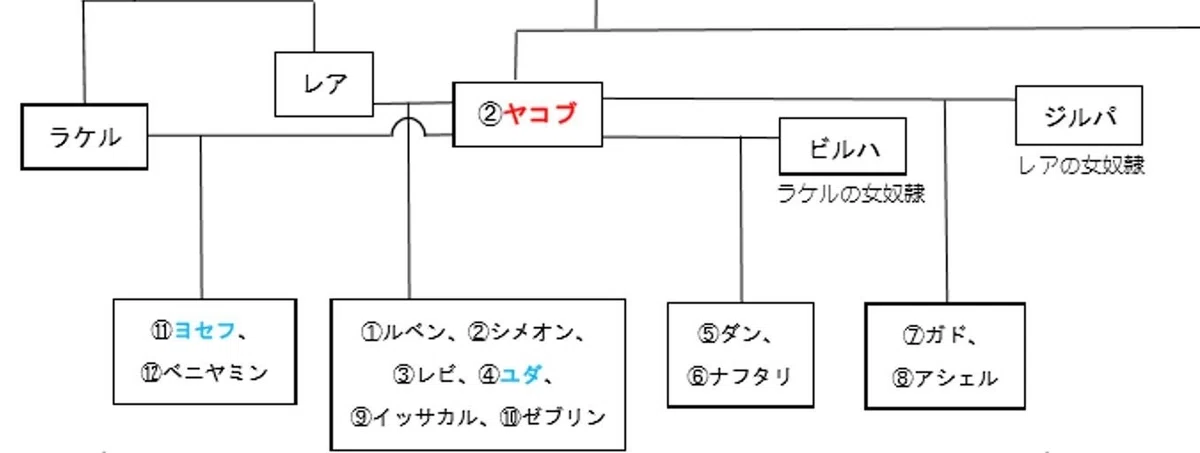
実は、このダン族はイギリスやアイルランドを征服した民族ではないかと言われているのです。そのため、アングロサクソン主義(白人至上主義)では、ダン族を根拠にイギリスの先祖はイスラエル人だと主張しています。さらに「十二族長の遺訓」では、ダン族から反キリスト教が誕生すると記されているようです。
ダン族の痕跡
古代アイルランドの年代記で "トゥアサ・デー・ダナン"と呼ばれる人種が存在し、失われたダン族はここから生まれました。
聖書に書かれているダンは、『なぜダンは船のかたわらにとどまったのか。士師記5:17』とあり、この一文はダン族は航海技術をもっていたとも言われています。そして、古代の海の民は航海者の先祖を敬う伝統があり、彼らは征服した新しい土地や神話の登場人物の名前を変え、また彼らを乗せた船そのものに言語、法律、歴史を持ち込みました。
まず、ダン族は、ダンの休息地を意味する彼らの名を冠した地名に、汝の道標を定めていることがわかります。この地理学は、紀元前585年頃、「トゥアサ・デー・ダナン人」(ダン族)が乗った船がアイルランドのアルスターに上陸したという古代アイルランドの歴史に対応しています。年表によると、アイルランドへの航海の積荷の中に大きな長方形の石があり、スペイン沿岸で船が一時航行不能になった後、スペイン王がその石を手に入れようとしたが、王は失敗し、石の守護者であるトゥアサ・デー・ダナン人(Tuatha-da-Danans)がスペインを脱出し、北アイルランドの美しい海岸に上陸したといわれいます。※彼らの石は、フリーメーソンとも関係が深いのですが、今回は長くなるので割愛させて頂きます。
ちょうど前回の記事で、ケルト人の発祥に関して
「西からやってきた」というのは、ケルト人はDNA的に考えるとイベリア半島にも多くいたとされますので、イベリア半島からやってきたか、もしくはイギリス➡イベリア半島の西からやってきたヤギ信仰集団とも考えられます。
と書いていたんですが、(スペインが含まれている)イベリア半島からの移動で結論が出そうです。ですので、ケルト人の中にダン族がいたと言えます。
アイルランドの歴史家トーマス・ムーアは、トゥアサ・デー・ダナン(ダン族)は「ギリシャにしばらく滞在した後、そこからデンマークとノルウェーに向かった」と考えているようです。
●地名
古代のアイルランドの人々はいくつかの方法で先祖を称えてきましたが、先に述べたように、その主な方法は、彼らが支配する地理的な場所に名前をつけることであり、例えば、彼らが「ドネガル」と名づけた郡にあるティルコネール市が代表的です。
ドンまたはダン(don or dan)」と「エガル(egal)」という単語からなるこのドネガルという複合語には、北アイルランドの古代史に正式に刻み込まれている「トゥアサ・デー・ダナン(Tuatha-da-Danans)」と呼ばれる失われたダン族の名前を見つけることができます。
ゲール語のDonは英語のDanでもあり、彼らの領土であるドニゴールには、ダン族を称える意味が込められています。古代より、ダン、ドン、ドムという名前は、アイルランド、スコットランド、イングランドにおいて、学識のある者や賢い者に与えられる尊敬の称号でもありました。
例えば、スコットランドの言葉では、ドミニは「校長」であり、ラテン語ではドミヌスは領主、主人であり、支配、支配権、支配者、支配の語源となりました。同様にスペイン語では、ドンは "Sir or Master "に相当する称号です。これは、カトリックのベネディクト会司祭職のDomと同じ称号でもあり、最初は修道士にのみ適用されましたが、その後、あらゆる立派な職業の人に拡大されたそうです。
そういえば、ドルイドにも【ド】が使われていますね。日本でも政界のドンというような使われ方もしています😀壇上のダンや男性の男もダンと読み方もできますね。日本にもダン族の形跡があったのでしょうか?😀
ちなみにドネガルの「エガル(egal)」の意味はフランス語「egal」によると、「等しい」という意味になります。従って、ダン人の領土はドネガル郡であり、【ダンに等しい郡または州】という意味になります。
ダン族に関する研究は他にも数多くあるようです。
作家のジェフリー・キーティング(1570年頃、1646年)は、ダン族は偉大な学識と富を持つ人々であり、アッシリア人との戦いの後にギリシャを離れ、アイルランドに行き、またダンマルクにも行ったことで、「ダンの国」(DAN-mares)と呼ばれるようになったと主張しています。
また『The Essential Teachings of Herbert W. Armstrong』によれば、ダン族は彼らのシンボルである蛇の道しるべを「ダンスロー」、「ダンサワー」、「ダンダルケ」、「ダンドラム」、「ドニゴール湾」、「ドニゴール市」、「ダングロー」、「ロンドンデリー」、「ディングル」に残していると書かれています。
デンマークのデンはダン族の名前から来ているとも言われています。
デンマークは文字どおり「ダンの印」または「辺境」を意味になり、その国民はデーン人と呼ばれています。古代の歴史では、彼らの祖先はダンであったと言われているそうで、ダンの子孫の多くがデンマークに定住したとも。
聖書の中のダンとシンボル
聖書の中のダンは軍の勢力も大きいことが読み取れます。桁が変わりますね😅
「ダンの子らの隊長はアンミシャダイの子アヒエゼルである。その軍勢と、そのうちの数えられた者は、三千二百七十人であった。アシェルの子らの隊長はオクランの子パギエルとする。その軍勢と、そのうちの数えられた者は、四十人と千五百人であった。次にナフタリの部族は、ナフタリの子らの隊長はエナンの子アヒラとする。その軍勢とそのうちの数えられた者は五万と三千四百であった。ダンの陣営で数えられた者は、すべて十万五千と七千六百であった。彼らはその旗をもって一番うしろに行く。イスラエルの子孫のうち、その先祖の家ごとに数えられた者は、すべて六十万と三千と五百五十であった。
ユダヤ人の支族にはそれぞれシンボルがあるようで、ダン族のシンボル(紋章)は蛇が有名ですが、他にも鷲と馬、天秤もあります。それぞれの解説を見てみましょう。
●鷲
鷲は北の陣営の長であったダンの印であり、4大シンボルのもう1つであります。鷲は蛇と組み合わされることもあり、蛇を鷲の爪で掴んだり、ワイバーンのような蛇のような体を持つ鷲とのハイブリッドの動物として表されることもあります。

まるでドラゴンにも見えますね👀そういえば、日本にも竜蛇神というものがありますが、同じイメージでしょうか??
●馬と蛇
蛇は、ダンが行く先々に毒蛇の跡を残すというヤコブの預言の最初の部分でもあります。
ダンは道ばたの蛇、道ばたの蝮となり、馬のかかとを噛むので、その乗り手は後ろに倒れる。
彼らの馬のいななきはダンから聞こえてくる。彼らの強い馬の声によって全地は震う。彼らは来て、この地と、ここにあるすべてのもの、町と、そのうちに住む者とを食い滅ぼす。
●天秤
ダンはヘブライ語で裁判官を意味します。そして、ダンがその民を裁くという預言に由来します。
ダンはイスラエルの部族のひとりとして、その民をさばく。
見よ、魔法をもってならすことのできない、へびや、まむしをあなたがたのうちにつかわす。それはあなたがたをかむ、と主(神)は言われる。
ちなみにダンはヤコブの5番目の子どもでしたが、数秘術では5という数字は『変化』として解釈されることが多いです。変化は神の正義であると前回の記事にも書かせて頂きました。正義の『正』も5画ですね。
そこで、最初のサムソンの話をもう一度思い出していただき、最後にもう一度質問をして今日は終わろうと思います。
サムソンは類稀な極悪非道な凶悪犯だったのか、それとも町の人々を裁くために現われた神の使者だったのか?
あなたはどちらだと思いますか?

